
Does soap kill bacteria? Do you need antibacterial soap?
Plain soap lifts germs off your skin so water rinses them away. FDA finds no proof antibacterial soap prevents illness better.
Plain soap’s job is to lift germs off your skin so water can carry them away. CDC says the surfactants in soap lift soil and microbes from skin, and that people scrub more thoroughly when they use soap.
Is antibacterial soap better?
Not for everyday washing. FDA says there is not enough evidence that over the counter antibacterial soaps prevent illness better than plain soap and water.
In 2016 FDA ruled that 19 active ingredients, triclosan and triclocarban among them, can no longer be sold in consumer hand soaps, bar soaps and body washes. The rule leaves out hand sanitizers, wipes and the soaps used in hospitals.
How to tell if a soap is antibacterial
FDA names three signs. The label says antibacterial. The ingredients include benzalkonium chloride, benzethonium chloride or chloroxylenol. Or there is a Drug Facts box on the bottle.
Ours
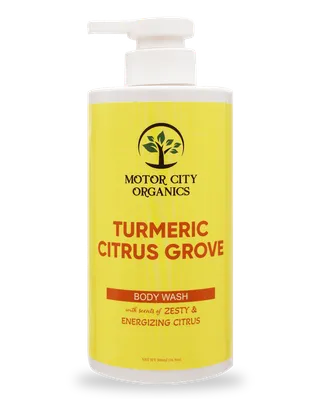
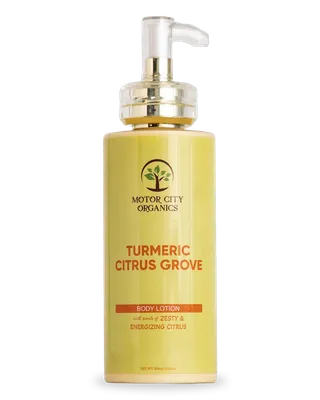
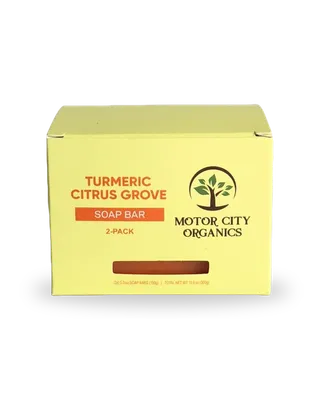
Plain soap and plain body wash. None of our labels has a Drug Facts box or any of those ingredients, and none claims anything about germs. Every one of our ten wash labels lists cocamidopropyl betaine, a surfactant. The Goat Milk Oasis bar’s label names sodium cocoate, what coconut oil becomes when it is mixed with lye.
Sources: FDA, “Skip the Antibacterial Soap; Use Plain Soap and Water” (content current as of December 12, 2024); CDC, “Handwashing Facts”. Read November 18, 2026.
More from the journal.
-
What paraben free means on a label.
Parabens are a family of preservatives. Paraben free means none of their names is on the back of the bottle.
-
What sulfate free means on a body wash label.
Two names, SLS and SLES. Sulfate free means both are absent. Here is what stands in for them.
-

The front and the back of the bottle.
What the front earns. What the back carries. What an absence means.