
How to use body wash, and do you need a loofah?
Warm water, a small amount, lather where you need it, rinse, pat dry. Hands or a washcloth do the job; a loofah needs care.
Wet your skin, lather a small amount in your hands or on a washcloth, wash, rinse and pat dry. You do not need a loofah.
Step by step
- Wet your skin with warm water, not hot.
- Use only enough to lift off dirt and oil. A thick lather means you used too much, per American Academy of Dermatology guidance.
- Wash where it counts most: the armpits and the groin.
- Rinse until nothing feels slick.
- Pat dry with a clean towel instead of rubbing.
Wear contact lenses? Take them out before you shower.
Soap leaves a film on your skin? That can be hard water.
Loofah or washcloth?
Cleveland Clinic dermatologist Melissa Piliang, MD, says dead skin cells lodge in a loofah’s nooks and crannies, where bacteria can grow, and names a washcloth as a good alternative. Your hands work too.
If you keep a loofah, rinse it after each shower and hang it to dry somewhere cool, out of the shower. Clean it at least once a week: five minutes in diluted bleach, then a rinse, or a run through the dishwasher. Replace a natural loofah every three to four weeks and a plastic one about every two months, sooner if it smells musty or shows mold. Keep it off your face, and skip it for a few days after you shave.
A natural loofah grew on a vine. Here is what a loofah is made of.
If your skin is dry
The dermatology academy’s dry skin tips add a gentle cleanser, products labeled fragrance-free, and moisturizer while the skin is still damp. Every one of our washes carries a scent.
Ours
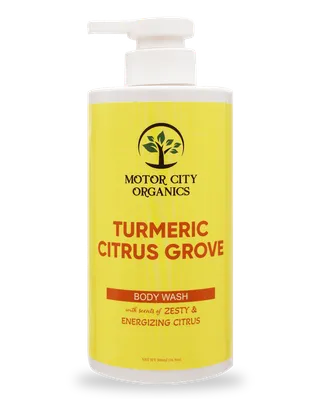
Ten scents of body wash, each 16.9 oz and $15. A daily showerer gets roughly a month from a bottle.
Sources: American Academy of Dermatology, “Dermatologists’ top tips for relieving dry skin”; Cleveland Clinic, “Is Your Loofah Full of Bacteria?” (April 2, 2024). Read November 18, 2026.