
What is sebum, and what are sebaceous glands?
The oil your skin makes on its own. The National Cancer Institute defines sebum as an oily substance produced by certain glands in the skin: the sebaceous, or oil, glands in the dermis.
The oil your skin makes on its own. The National Cancer Institute’s dictionary defines sebum as “An oily substance produced by certain glands in the skin.” Those are the sebaceous glands, also called oil glands.
What are sebaceous glands?
Small glands in the dermis, the skin’s middle layer. The National Cancer Institute’s SEER training pages describe them as “small, sack-shaped glands which release an oily substance onto the hair follicle that coats and protects the hair shaft from becoming brittle.” The same page: “These glands are located in the dermis.”
Where are sebaceous glands found?
Nearly everywhere on you. The SEER pages: “Sebaceous, or oil, glands, are attached to hair follicles and can be found everywhere on the body except for the palms of the hands and the soles of the feet.”
What does sebum do?
It keeps skin from drying out. The federal MedlinePlus encyclopedia says: “Sebaceous glands produce oil that keeps the skin from drying out. Oil from the sebaceous glands also helps to soften hair and to kill bacteria in the pores of the skin.” The SEER pages add that the oil “helps keep the skin smooth and supple” and “also helps keep skin waterproof and protects against an overgrowth of bacteria and fungi on the skin.”
What is sebum made of?
Fats. A 2009 review in the journal Dermato-Endocrinology calls sebum “a complex mixture of lipids”, and says: “In human sebum there are unique lipids, such as squalene and wax esters not found anywhere else in the body nor among the epidermal surface lipids.” Its authors also write that the full role of human sebum is still “far from a complete understanding.”
Ours
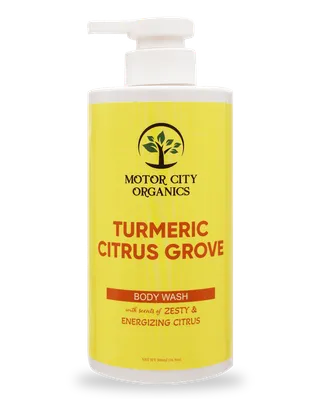
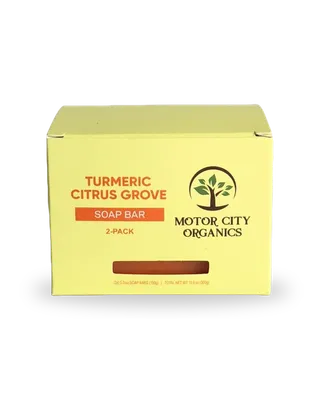
Nothing we sell adds sebum, or changes how much of it your skin makes. Our body wash is $15 a bottle, 16.9 oz, and our bar soap sells two bars to a box for $15. For how often to wash, see our post on how often you should shower.
Sources: National Cancer Institute, Dictionary of Cancer Terms, “sebum”; National Cancer Institute, SEER Training Modules, “Anatomy of the Skin” and “Layers of the Skin”; MedlinePlus, the “Components of skin” entry, last reviewed in July 2024; Picardo, Ottaviani, Camera and Mastrofrancesco, “Sebaceous gland lipids”, Dermato-Endocrinology, 2009, on PubMed. Read November 19, 2026.