


What is the largest organ in the human body?
Your skin. MedlinePlus says an average adult carries about 6 pounds of it over 18 square feet, in three layers: the epidermis on top, the dermis, and the hypodermis underneath.
Your skin. MedlinePlus, the health library of the National Library of Medicine, puts numbers on it: “The average adult has about 6 pounds of skin covering 18 square feet, making skin the body’s largest organ.”
Is skin an organ?
Yes, a whole one, with parts of its own. MedlinePlus: “The skin and its derivatives (hair, nails, sweat and oil glands) make up the integumentary system.”
How many layers of skin are there?
Three. MedlinePlus: “Skin has three layers.” From the outside in:
- Epidermis, the top. “It protects the other layers from the outside environment.” It also “contains cells that make keratin, which waterproofs and strengthens the skin.”
- Dermis, the middle. “It contains cells that give skin strength, support, and flexibility.” Its sensory receptors are how you feel pressure, pain and temperature.
- Hypodermis, the bottom. “It contains fat cells, or adipose tissue, that insulate the body and help conserve heat.”
What is the outer layer of skin called?
The epidermis. Beyond keratin, it holds “cells with melanin, the dark pigment that gives skin its color.”
What does skin do?
It guards you. MedlinePlus says skin “protects the body from external factors such as bacteria, chemicals, and temperature.” And the oil glands make an oil “that keeps the skin from drying out.”
Ours
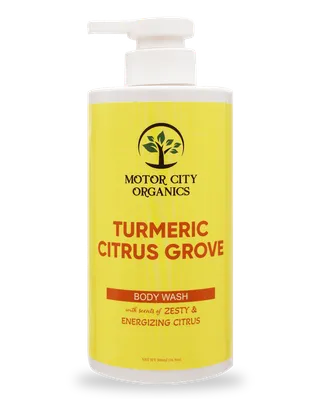
Everything we sell goes on the outside of the epidermis: our body wash, $15 for 16.9 oz, and our body lotion, $22 for 10.2 oz. That natural oil is why Harvard Health warns against washing too often in hot water, in how often should you shower.
Sources: MedlinePlus Medical Encyclopedia, “Components of skin”, reviewed July 15, 2024, and “Skin layers”, reviewed July 22, 2026. Read November 19, 2026.