
What is lye?
Another name for sodium hydroxide, or caustic soda: a very corrosive alkali used to make soap, paper and drain cleaners. FDA says no lye remains in soap made properly.
Lye is most often sodium hydroxide, a strong alkali. The Agency for Toxic Substances and Disease Registry (ATSDR), a federal public health agency, gives its other common names as “caustic soda and lye.” At room temperature, it says, sodium hydroxide “is a white crystalline odorless solid that absorbs moisture from the air.”
What is lye used for?
ATSDR says “Sodium hydroxide is used to manufacture soaps, rayon, paper, explosives, dyestuffs, and petroleum products.” It adds that it “is commonly present in commercial drain and oven cleaners.” It reaches food too: ATSDR says FDA allows it as a food additive “in levels not to exceed 1%.”
Is lye dangerous?
Yes. ATSDR says “Sodium hydroxide is very corrosive.” On skin, it “can cause severe burns with deep ulcerations.” In the eye, it “may produce pain and irritation, and in severe cases, clouding of the eye and blindness.” ATSDR’s advice for a home: “Products containing sodium hydroxide should be stored out of the reach of children.”
Does soap have lye in it?
Lye can go in to make it, but FDA says: “When made properly, no lye remains in the finished product.” How the oils turn into soap is in what is soap made of.
On our labels
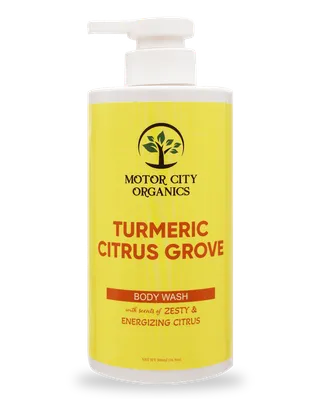
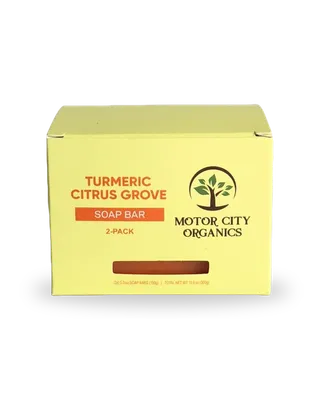
No printed label of ours lists lye or sodium hydroxide. The Goat Milk Oasis bar lists sodium cocoate and sodium oleinate, and the Turmeric Citrus Grove bar lists sodium stearate. A bar soap 2-pack of ours costs $15, and a 16.9 oz body wash $15.
Sources: Agency for Toxic Substances and Disease Registry, “ToxFAQs for Sodium Hydroxide” (page last reviewed March 26, 2014); FDA’s soap questions page, “Frequently Asked Questions on Soap”, dated August 20, 2024. Read November 19, 2026.