
What is soap made of? Is there lye in it?
Fats or oils and an alkali, such as lye. FDA says that when soap is made properly, no lye remains in the finished bar.
Fats or oils, and an alkali such as lye. That is how FDA describes ordinary soap.
How oil turns into soap
The fats and oils break down into fatty acids, and those combine with the alkali. What starts out as a liquid sets into blocks. FDA calls the result the “alkali salts of fatty acids”. The reaction has a name: saponification.
Is there lye in soap?
Lye can be the alkali that goes in. FDA says that when soap is made properly, no lye remains in the finished product. People once made soap at home from animal fat and lye drawn out of wood ashes. How far back that goes is in when was soap invented.
Is every bar sold as soap really soap?
Not by FDA’s definition. To count, a product has to be made mostly of those alkali salts, and they have to do all of its cleaning. If it contains a synthetic detergent, FDA counts it as a cosmetic instead. FDA says very few true soaps are on the market today: most body cleansers, liquid or solid, are synthetic detergent products.
On our labels
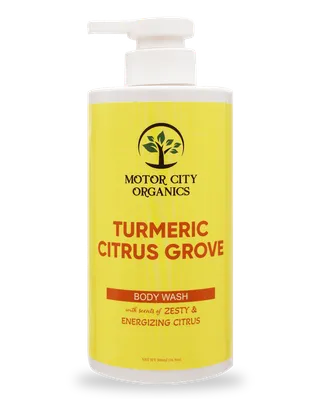
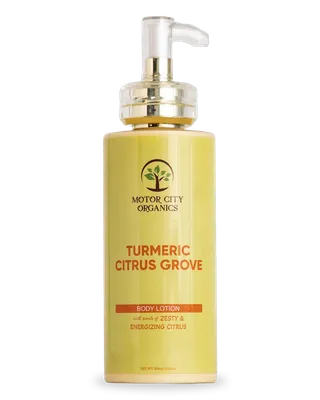
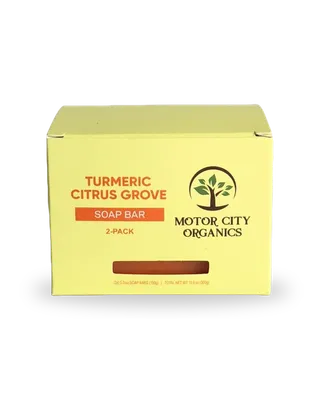
The Goat Milk Oasis bar’s label lists sodium oleinate and sodium cocoate, what coconut oil becomes when it is mixed with lye. The Turmeric Citrus Grove bar’s label lists sodium stearate, the sodium salt of stearic acid, a fatty acid. Neither label lists lye.
Source: FDA, “Frequently Asked Questions on Soap” (content current as of August 20, 2024). Read November 18, 2026.
Our bar labels, checked.
Read from each printed label every time this page is built.