
What is saponification, and what does saponified mean?
The reaction that turns a fat or oil into soap: an alkali such as lye splits it into soap and glycerin. Saponified means made into soap that way.
Saponification is the reaction that turns a fat or oil into soap. The American Cleaning Institute, the trade group for US makers of cleaning products, defines it as “The process of converting a fat into soap by treating it with an alkali.” The fat and the alkali “react to form soap and glycerin.”
What happens in the reaction
Fats and oils are mostly fatty acids bound to glycerin, the institute’s glossary says. The soap that comes out is “usually a sodium or potassium salt of the fatty acid”. Wikipedia’s article on saponification says lye breaks the fat apart, releasing the soap and glycerol, the compound glycerin is made of.
It gives an example: the saponification of stearin, a fat, gives sodium stearate.
Is soap still made this way?
Yes, in two ways, the institute says: “either by treating fat with alkali or by first splitting the fat into fatty acids and glycerin by a process called hydrolysis.” In the second way, the fatty acids are then mixed with the alkali to make soap.
What does saponified mean?
Made into soap by that reaction. “Saponified coconut oil” on a label is coconut oil that has been through it. Our labels print the soap’s own name instead. One is sodium cocoate, which the EU’s cosmetic ingredient list, CosIng, describes as “fatty acids, coco, sodium salts”.
Where does the glycerin go?
Usually out of the soap. The institute says glycerin “is separated from soap because it is an important material in its own right”, but that it “remains in bar soaps made by the ‘cold process’ simply because the soap is made without removing glycerin.”
What are unsaponifiables?
The part of an oil or fat that does not become soap. Wikipedia describes unsaponifiables as the components of a fat or oil “that fail to form soaps when treated with alkali”.
Ours
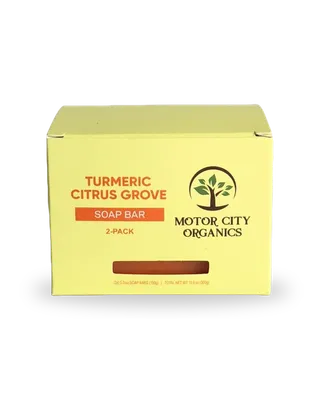
Neither bar’s ingredient list says how its soap was made. Each names the soap salts themselves. The Goat Milk Oasis list names sodium oleinate and sodium cocoate. The Turmeric Citrus Grove list names sodium stearate. Both lists also name glycerin; neither says whether it was left in or added. Each box holds two bars, $15. What FDA counts as soap is in our what soap is made of post.
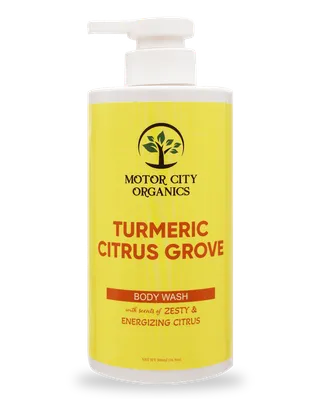
Every one of our ten body wash labels lists hydrogenated olive oil unsaponifiables (four of them spell it unsaponifiable), the part of olive oil that does not turn into soap. 16.9 oz, $15.
Sources: American Cleaning Institute, “Glossary of Cleaning Product Terminology” (Saponification, Fatty Acids, Glycerin); Wikipedia, “Saponification” and “Saponification value”; CosIng, as listed by INCIDecoder (now INKEEDecoder), “Sodium Cocoate”. Read November 19, 2026.