
When was soap invented, and who invented it?
No single inventor is known. The oldest evidence is Babylonian clay cylinders from about 2800 BC whose words are read today as 'fats boiled with ashes'.
No single inventor is known. The American Cleaning Institute, the trade group for US makers of cleaning products, dates the oldest evidence of soap making to ancient Babylon, around 2800 BC. Who first made soap as we would know it is not recorded: Wikipedia’s article on soap says it may have been worked out separately by different peoples.
The oldest evidence
Archaeologists found a soap-like material in Babylonian clay cylinders from about 2800 BC, the institute says. The cylinders carry words read today as “fats boiled with ashes”, which is a method of making soap.
Egypt, about 1500 BC
The Ebers papyrus, an Egyptian medical text from about 1500 BC, describes mixing animal and vegetable oils with alkaline salts into a soap-like material, used for washing and as a medicine.
Where does the word soap come from?
The institute repeats an old Roman legend: rain ran down a Mount Sapo, mixing animal fat and ashes into a clay that made cleaning easier. Wikipedia calls that mountain mythical and says the Latin word, sapo, was most likely borrowed from an early Germanic language. Pliny the Elder, writing in the first century AD, called soap “an invention of the Gauls”.
When did soap become common?
By the 7th century, soap making was an established craft in Italy, Spain and France, where olive oil was close at hand. The English began making soap in the 12th century. Several countries taxed soap heavily well into the 19th century, and it reached most people once the tax came off. In 1791 the French chemist Nicolas Leblanc patented a way to make soda ash from common salt, which helped soap making grow into an industry.
When did detergents take over?
During both world wars, the animal and vegetable fats used for soap ran short, and chemists built substitutes from other raw materials. Those are today’s detergents, and the institute says most things we call soap now are detergents.
Ours
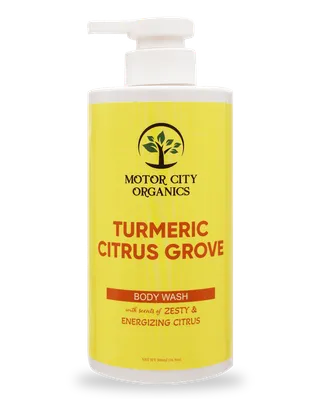
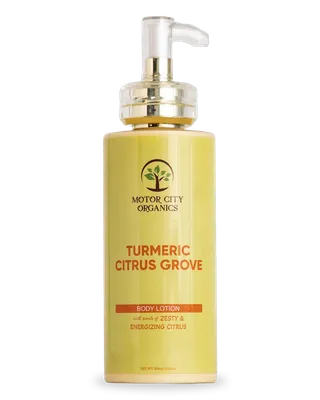
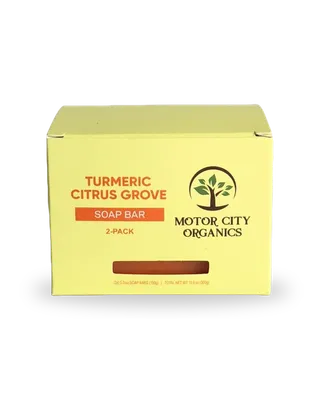
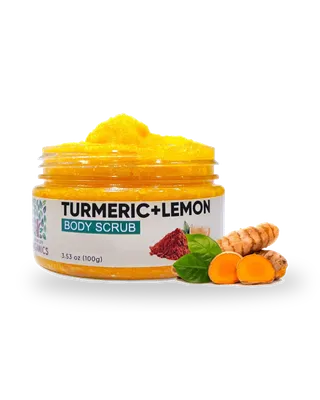
FDA still describes soap by those two parts, fats or oils and an alkali, as our what soap is made of post explains. Our Goat Milk Oasis box prints two of the salts that pairing makes, sodium oleinate and sodium cocoate. Our Turmeric Citrus Grove box prints one, sodium stearate. Each box holds two bars, $15.
Sources: American Cleaning Institute, “Soaps & Detergents History”; Wikipedia, “Soap”, History section. Read November 19, 2026.